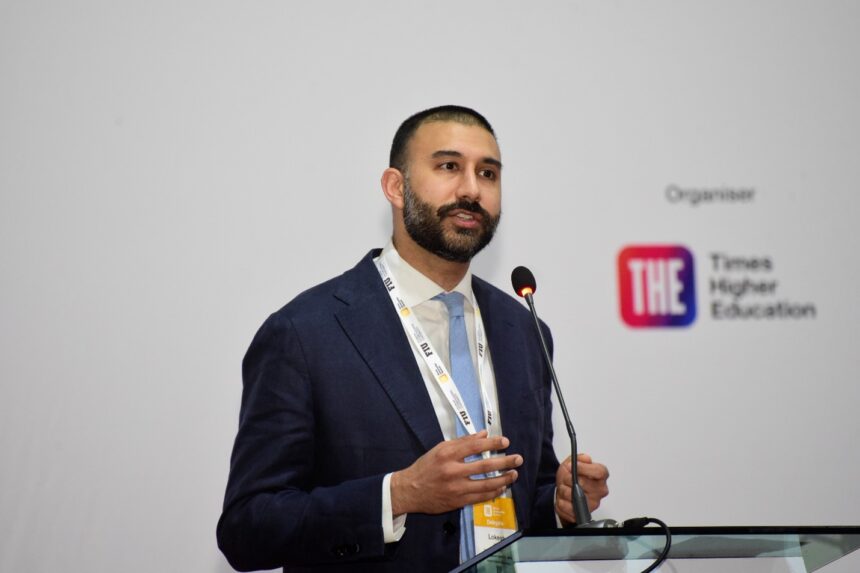
THE Africa Universities Summit 2026 concluded in Nairobi with a bold call for universities to move beyond traditional teaching and become powerful engines of innovation, skills development, and inclusive economic transformation across Africa.
Bringing together policymakers, academics, innovators, and industry leaders, the summit arrived at a defining moment for a continent home to more than 400 million young people.
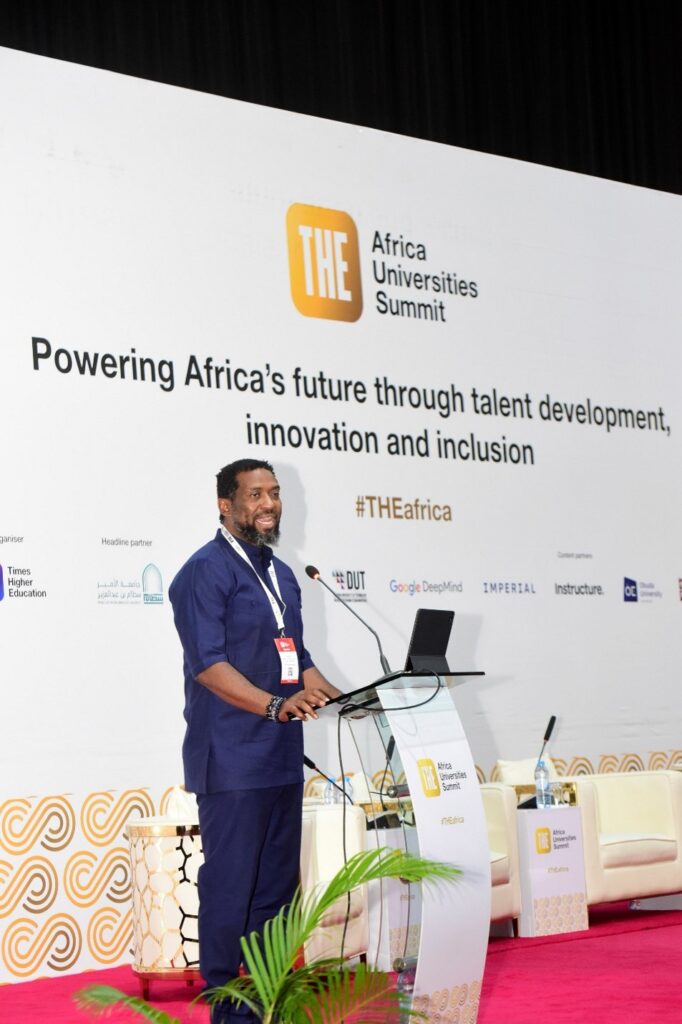
The message was unmistakable. Africa’s future will be shaped not just in lecture halls but in labs, startups, and collaborative ecosystems built around universities.
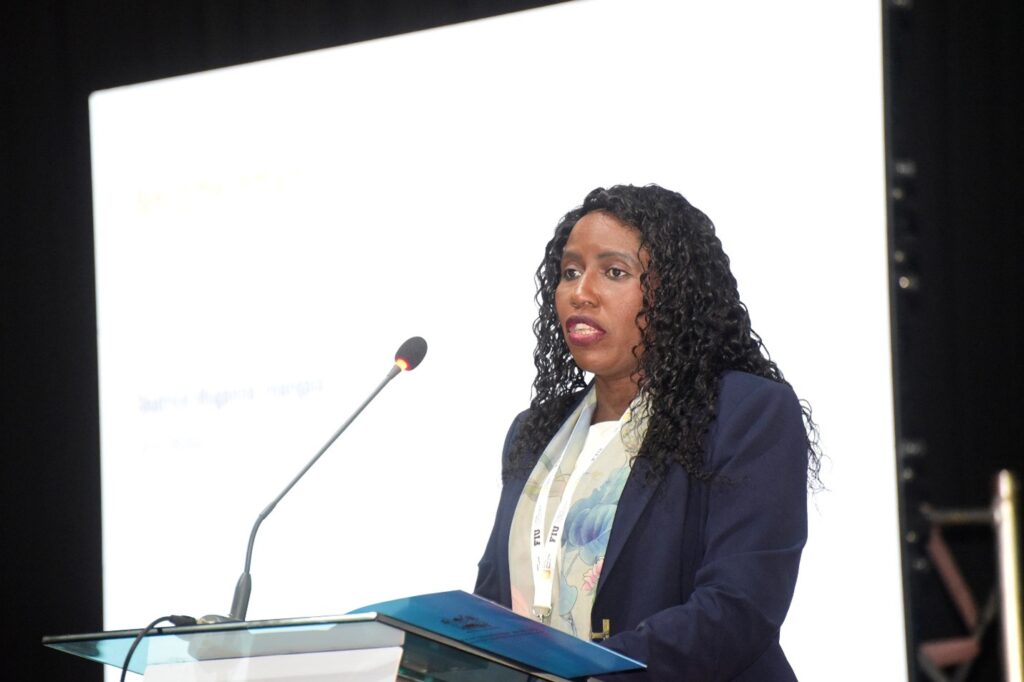
In her opening address, Dr. Beatrice Muganda challenged institutions to think bigger.
She emphasized that Africa must not simply react to global challenges but actively shape global solutions through research rooted in local realities and scalable to the world.
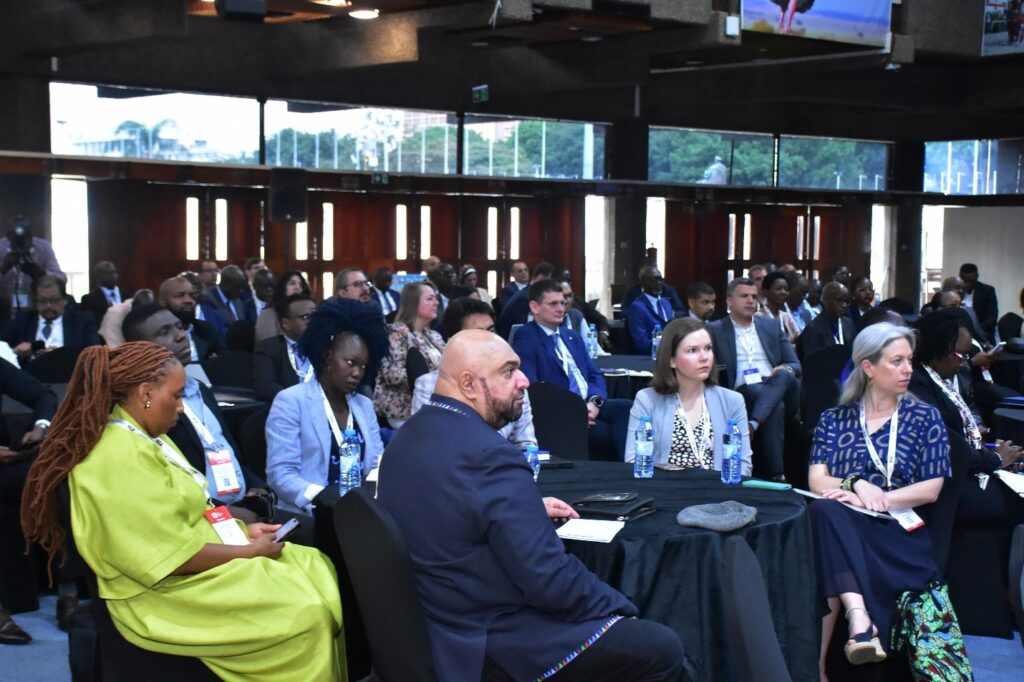
Her remarks set the tone for a summit driven by ambition, urgency, and continental pride.
Across packed sessions and dynamic workshops, discussions zeroed in on four critical pillars shaping the future of higher education.
These included strengthening research collaboration to tackle global challenges, accelerating innovation and startup ecosystems, aligning education with job market demands, and advancing equity and gender inclusion.
Buti Manamela offered a candid reflection on gender equality in higher education.
While acknowledging progress in women’s access and graduation rates, he challenged institutions to go further and build systems that deliver genuine equality for all.
The summit featured over 60 influential voices, including Barnabas Nawangwe, Tonny Omwansa, and Caroline Nyaga, reflecting a growing alignment between academia, industry and policy in shaping Africa’s knowledge economy.
Beyond policy conversations, a powerful narrative emerged. Universities are no longer just centres of learning.
They are becoming launchpads for startups, incubators for ideas, and bridges connecting talent to opportunity.
As the summit closed, one idea lingered in the air like a spark waiting to catch fire. Africa’s universities are not just preparing students for the future. They are actively building it.