


- Breast Cancer is no longer a Disease for the Elderly;
By Dr. Mukuhi Ng’ang’a
When many people think of breast cancer, they imagine it as a disease that mostly affects older women.Yet doctors in sub-Saharan Africa are raising a red flag, more and more younger women are being diagnosed, often much earlier than their counterparts in Western countries.
 This troubling trend is not limited to breast cancer alone, other cancers are also appearing more frequently in younger people.
While genetics may play a role, more research is needed to fully understand whether environmental factors, lifestyle, or yet-unidentified risks are also driving this pattern.
This shift carries profound implications for how women of all ages should think about their health.
The first and most important message is that every woman must know her breasts.
Being familiar with how your breasts normally look and feel can help you quickly notice if something unusual develops, whether it’s a lump, skin dimpling, nipple discharge, or any other change.
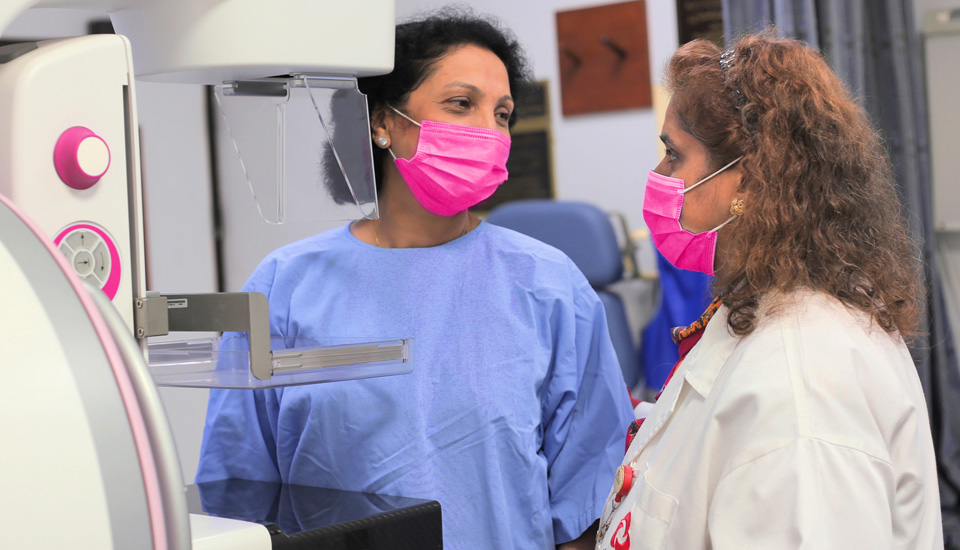
 For younger women, this awareness is even more vital because routine mammograms are not typically recommended until after age 40. Instead, doctors often rely on ultrasounds, which are better suited for examining younger, more dense breast tissue.
Breast density itself is another term that can be confusing. Simply put, it describes how the breast appears on imaging. Younger women usually have more dense breasts because they contain more milk-producing (glandular) tissue. On a scan, this makes the breast look more solid and compact.
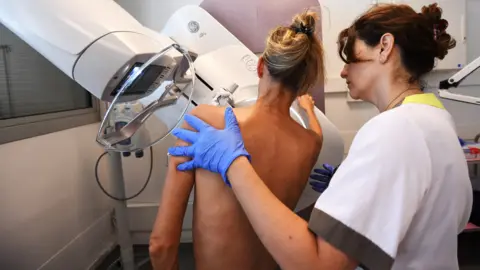 While density doesn’t necessarily increase the risk of cancer, it can make it harder for mammograms to detect problems, which is why alternative imaging like ultrasound or MRI may be recommended.
For many women, one of the hardest questions is how treatment might affect fertility. Chemotherapy and certain hormonal treatments can temporarily disrupt the cycle of egg release, and in some cases, may have longer-term effects on fertility.
 While fertility does dip during treatment, many young women have successfully undergone therapy and later had children.
Today, doctors are increasingly offering fertility preservation options, such as freezing eggs or embryos before treatment begins, to give women more choices for the future.
Breast surgery typically comes into the picture as one of the first major steps in breast cancer treatment. In cases where the cancer is caught early and remains localized, surgery is often performed immediately to remove it.
 If the tumor is small, a lumpectomy (removal of just the lump and some surrounding tissue) may be enough.
For larger tumors, or when cancer involves multiple areas of the breast, a mastectomy (removal of the whole breast) may be recommended. In other situations, doctors may begin with chemotherapy to shrink the tumor, making surgery easier and less invasive.
Surgery can also include removing lymph nodes under the arm to check if the cancer has spread.
 The timing and type of surgery depend on the stage of the cancer, overall health, and the woman’s preferences, but it remains one of the critical aspects of breast cancer care.
The decision between a lumpectomy and a mastectomy has also been a challenge for many women and depends on factors like the size and location of the tumor, whether multiple tumors are present, and sometimes, the patient’s own preference.
 Both approaches can be highly effective, and in many cases, they are paired with additional treatments such as radiation therapy, chemotherapy, or hormone therapy to reduce the chance of recurrence.
One of the most encouraging advances in modern medicine is the shift toward personalized medicine. In the past, breast cancer was treated as a single disease.
Today, doctors analyze tumors at a genetic and molecular level to determine the best approach for each patient. For example, some cancers are fueled by hormones and respond well to drugs that block estrogen production, while others carry changes in specific genes and can be treated with targeted therapies.
This precision-based care has significantly improved outcomes, offering women not just longer survival but better quality of life.
Genetics play an important role in understanding breast cancer risks. Many people have heard of BRCA1 and BRCA2, but the terms can sound intimidating and abstract.
These are simply genes we all have. In their normal form, they act like repair workers, fixing broken DNA and helping prevent cancer from developing.
But when there is an inherited fault, or mutation, in one of these genes, the repair system doesn’t work properly. As a result, the risk of breast and ovarian cancer rises sharply.
Women with these impaired genes can face up to a 70% lifetime risk of breast cancer compared to the much lower risk in the general population.
The good news is that genetic testing can help identify women who carry these mutations, allowing for closer monitoring and preventive options.
Life after treatment is another area where medicine has advanced. For women who undergo mastectomy, breast reconstruction can help restore the breast’s shape using either saline/ silicone implants, or tissue from another part of the body.
Reconstruction not only helps with physical recovery but also plays a powerful role in emotional and psychological healing.

The focus in modern breast cancer care is not only on survival but also on ensuring women live full, dignified lives after their treatment.
Several risk factors are known to increase the likelihood of breast cancer. These include obesity, smoking, heavy alcohol use, long-term hormone replacement therapy after menopause, and even certain herbal treatments that contain estrogen-like compounds.
 However, having a risk factor does not mean a woman will definitely get cancer; it simply highlights the need for vigilance and regular checkups.
In Kenya and across much of sub-Saharan Africa, one of the greatest challenges remains late diagnosis. Many women present to hospitals at advanced stages of the disease, when treatment options are more limited and survival rates are lower.
The barriers include the high cost of diagnosis and treatment, fear of the disease, and limited access to specialists and diagnostic tools, especially in remote areas.
 Breast cancer is not a death sentence.But it can become deadly if diagnosis is delayed. Early detection, timely treatment, and consistent follow-up are the keys to survival. Go for your screening today and get to know your breasts.
Breast cancer when caught early is often treatable, and with the advances in care today, survival and recovery are more possible than ever before.
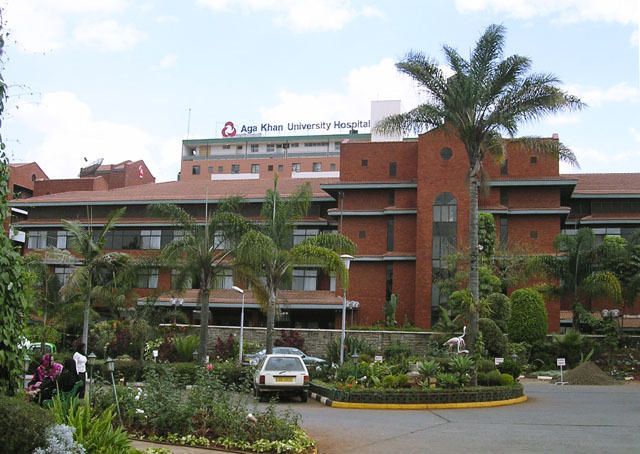
- Dr. Mukuhi Ng’ang’a, Consultant Breast Surgical Oncologist at Aga Khan University Hospital, Nairobi(AKUH, N)


