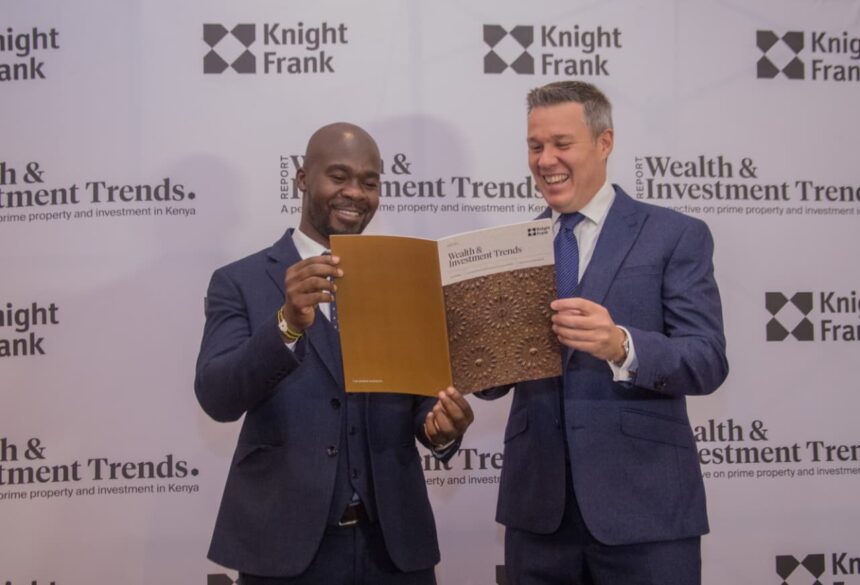
Knight Frank report finds investors are increasingly refurbishing existing buildings as renewable energy and ESG reshape Kenya’s commercial real estate market.
Kenya’s commercial property market is entering a new investment cycle as developers and institutional investors increasingly channel capital into refurbishing older commercial buildings instead of constructing new ones, driven by growing demand for sustainable, energy-efficient assets.
According to the Knight Frank Kenya Wealth & Investment Trends Report 2026, investors are prioritising environmental, social, and governance (ESG) principles as they seek to future-proof commercial real estate portfolios while enhancing long-term returns.
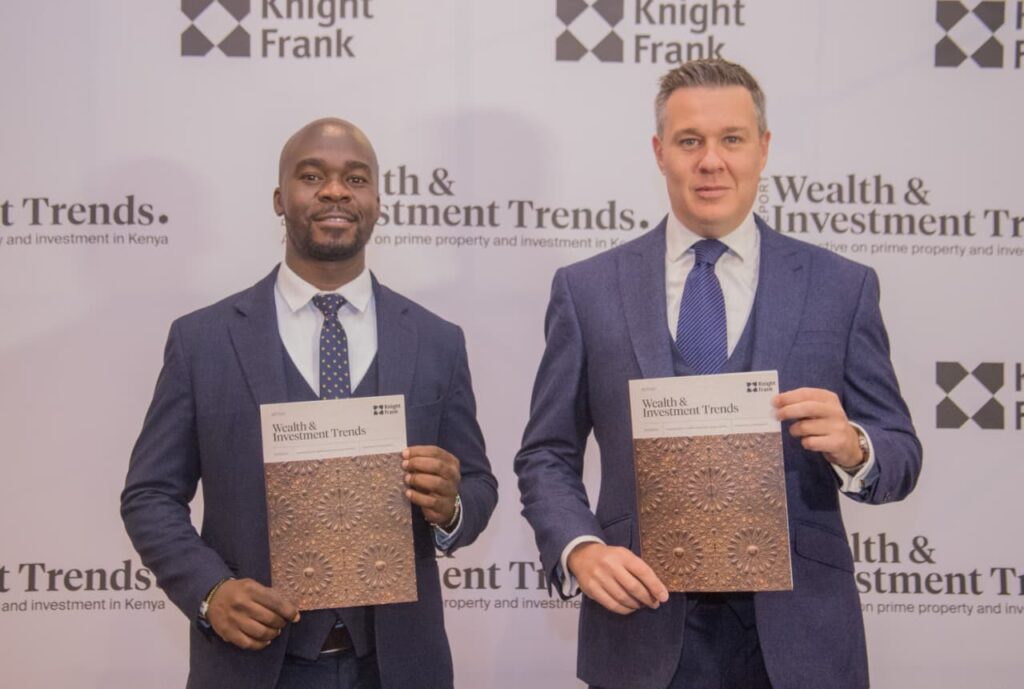
The report shows that 75 per cent of industry respondents identified renewable energy integration as the most influential ESG priority, shaping commercial property investment ahead of green building certifications, water conservation, and biodiversity initiatives.
Meanwhile, 62.5 per cent cited sustainable building certifications as an increasingly important factor when evaluating assets.
Rather than replacing ageing developments, investors are choosing to modernise them.
The survey found that 37.5 per cent of respondents said clients prefer refurbishing underperforming commercial buildings while maintaining their existing use, compared to 25 percent, who favour repositioning properties for alternative uses.
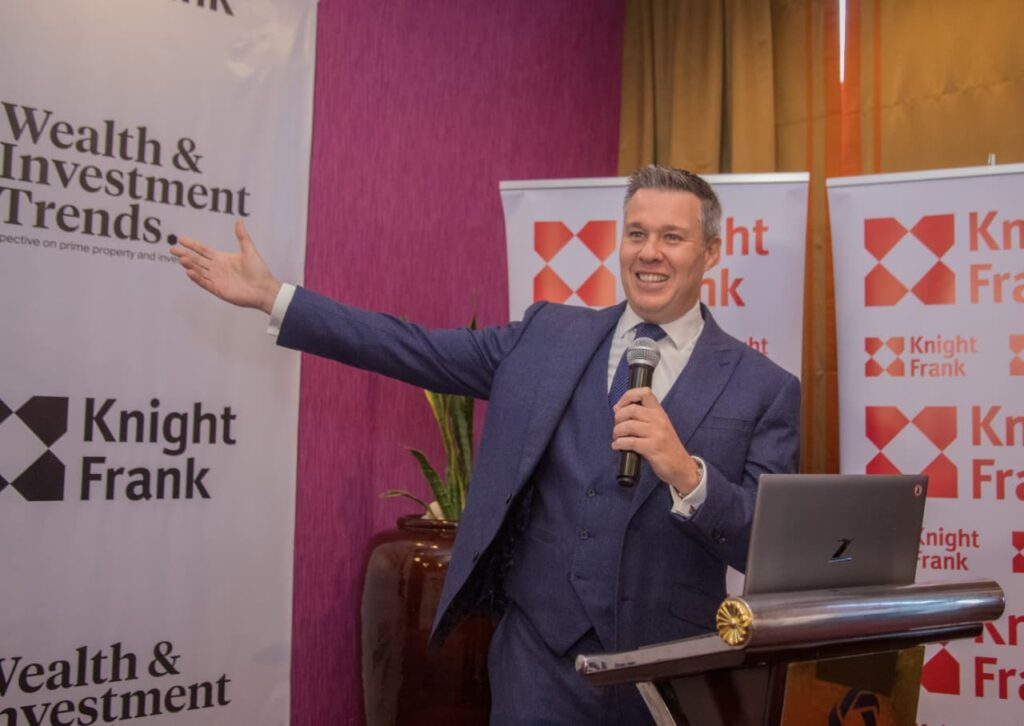
The findings highlight a growing recognition that sustainability is no longer an environmental consideration alone but a commercial strategy capable of increasing occupancy, lowering operating costs, and preserving asset values.
“Commercial property is entering a new phase where value is increasingly created through thoughtful refurbishment,” said Boniface Abudho, Research Analyst at Knight Frank Africa.
“Investors recognise that improving the environmental performance of existing buildings not only extends their useful life but also enhances competitiveness in a market where occupiers are demanding higher-quality space.”
The report also indicates that investors are expanding capital allocation into renewable energy projects and carbon sequestration opportunities, reflecting broader efforts to align real estate investments with global climate and sustainability goals.
Knight Frank Kenya CEO Mark Dunford said refurbishment has evolved beyond cosmetic upgrades to become a strategic investment decision.
“Refurbishment is no longer simply about aesthetics,” he said. “It is about reducing operating costs, improving energy efficiency, and ensuring buildings remain attractive to tenants and investors in an increasingly competitive market.”
He added that landlords who invest in modern energy systems, smart building technologies, and improved occupier experiences are positioning their assets for stronger long-term performance.
“The buildings that perform best over the coming years will be those that adapt to changing occupier expectations,”
Dunford said. “Investors who enhance existing assets today are positioning themselves for stronger performance tomorrow.”
Abudho noted that Kenya’s commercial real estate sector is steadily transitioning toward a model where sustainability and profitability increasingly go hand in hand.
“The future of commercial property lies in creating resilient, efficient buildings that deliver both environmental value and attractive financial returns,” he said.
The report concludes that ESG considerations are rapidly becoming central to investment decision-making, reinforcing Kenya’s shift towards a more sustainable and resilient commercial property market.