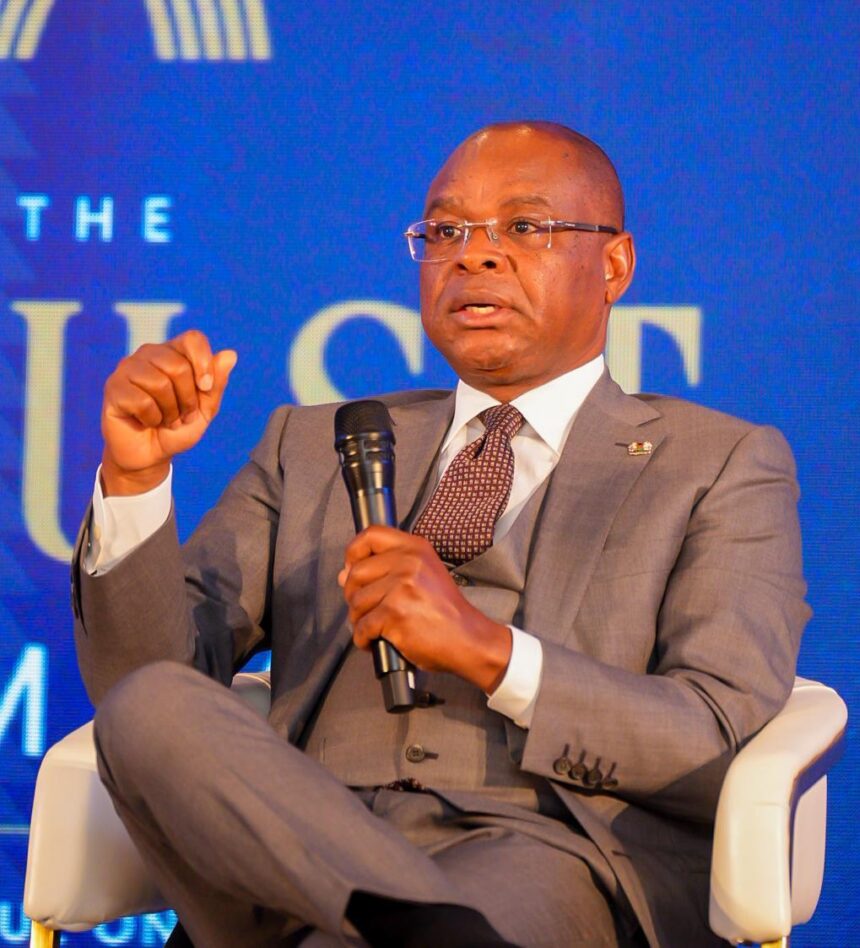
Kenyan leaders and civil society organisations have called for public participation to become a meaningful part of government decision-making, warning that citizens’ confidence in democracy will remain fragile if their views are collected but ignored.
The call emerged during the Global Trust Summit: Nairobi Dialogue on Global Trust, which is bringing together public officials, regulators, civil society representatives, business leaders and international partners to discuss the foundations of public confidence.
Speakers at the Democracy Baraza said elections alone were insufficient to guarantee accountability, arguing that citizens must retain the ability to influence policies, scrutinise public spending and demand explanations from elected leaders.
Government Spokesperson Charles Owino challenged participants to consider the purpose of democratic participation and the role of citizens in determining public priorities.
“Democracy is always for the public good. Democratic power lies with you, the citizens,” he said.
Duncan Ojwang’, chairperson of the Independent Policing Oversight Authority, said participation should be inclusive rather than dominated by individuals or groups with the loudest voices.
“Let us not turn public participation to the noisiest, let it be universal,” he said.
Transparency International Kenya Executive Director Sheila Masinde said citizens should be able to exercise their right to participate without public officials treating consultation as an obstacle to government operations.
“When I vote for you, I trust that you will deliver in the mandate you are seeking,” she said.
Clarise Ogangah, chairperson of the Kenya National Commission on Human Rights, said citizens did not surrender their democratic power after electing leaders. Instead, public participation provides another avenue through which they can exercise that power.
Caroline Gaita, Executive Director of Mzalendo Trust, said institutions must demonstrate how citizens’ views influence decisions.
“Participation without a feedback loop is not engagement; it’s attendance,” she said.
Her remarks captured a recurring concern among participants: public meetings and consultations cannot build confidence if institutions fail to explain which proposals they accept, which they reject and why.
The summit’s wider discussions linked public participation to accountability within government institutions. Auditor-General Nancy Gathungu stressed the importance of credible information and action throughout the accountability process, while Dr Priscilla, Director of the Communications Authority of Kenya, said unresolved complaints can undermine public confidence.
“Trust does not stop with complaints. It stops when the complaint has been resolved,” Dr Priscilla said.
The discussions are taking place under the summit theme, “Weaving Trust: Binding Strands for a Stronger Global Order,” with the October 21–23 meeting exploring ways to rebuild confidence in governance, markets and international cooperation.
The programme also considers the role of the media in informing citizens and scrutinising public institutions. Don Wanyama, chief executive of Uganda’s Vision Group, highlighted the media’s contribution to public participation and democratic accountability.
Beyond Kenya, delegates are examining Africa’s influence in international decision-making, including representation in multilateral institutions and the continent’s role in decisions affecting development finance, debt, climate action and security.
The proposed Nairobi Call to Action on Global Trust is expected to provide a framework for carrying the discussions beyond the meeting, with an emphasis on evidence, institutional accountability and sustained public engagement.
The summit runs until October 23, with its central test being whether institutions can move beyond consultation exercises and demonstrate that citizens’ contributions have a tangible effec
t on public policy and service delivery.