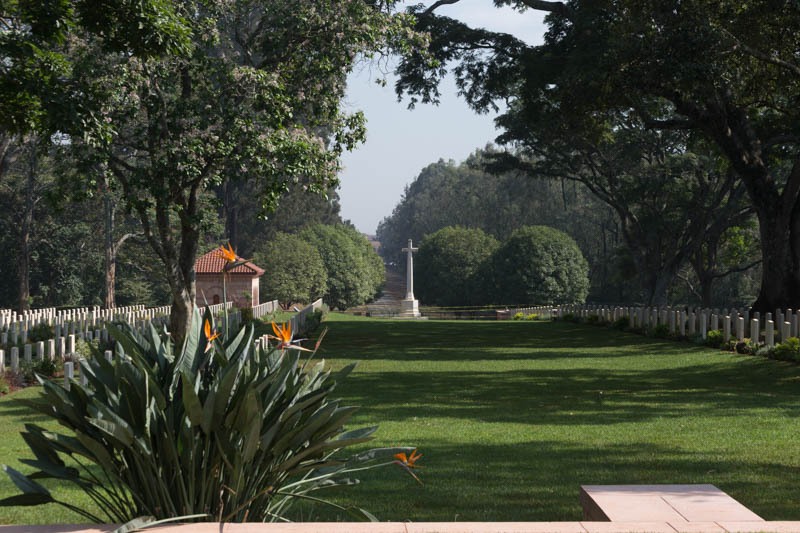
For much of Kenya’s modern history, the impact of the First and Second World Wars has existed in the background of public consciousness—present in scattered memorials, yet largely absent from everyday storytelling.
Generations have grown up without a clear understanding that the conflicts reached East African soil, or that thousands of Africans played essential roles in them.
The Commonwealth War Graves Commission (CWGC) is now working to change that reality through education, public engagement, and heritage preservation.
A Forgotten War History Hidden in Plain Sight
Across Kenya, war cemeteries and memorials exist quietly within urban landscapes, often passed daily without notice or deeper understanding. Yet these sites hold the stories of African soldiers, carriers, and labourers whose contributions shaped global conflict outcomes.
CWGC’s outreach begins with a simple but powerful idea: reconnect people with names, places, and stories that may be part of their own family history.
Many Kenyans who engage with CWGC programmes discover, sometimes unexpectedly, that relatives were directly involved in the world wars. These discoveries often reshape how families understand their past.
Education Officer Bringing History Back to Life
At the heart of CWGC’s education efforts is Education Officer Rose Maina, who uses storytelling and guided learning to make complex historical events accessible to young learners. Her approach is rooted in emotional connection as much as historical fact, ensuring students see war not as distant abstraction, but as lived human experience.
A key focus of her work is the Nairobi War Cemetery, where school groups are welcomed for structured learning visits. For many institutions, especially those with limited resources, these trips offer rare opportunities for experiential education outside the classroom.
Teachers who initially hesitate about holding lessons in a cemetery often find the experience transformative. The environment becomes a space for reflection, history, and dialogue rather than fear or discomfort.
Learning Beyond Dates and Battles
CWGC’s education model goes beyond traditional history lessons. Students are guided through the realities of East Africa during the world wars, including recruitment, labour contributions, and the movement of troops across the region.
They learn about the scale of African involvement and the reasons so many soldiers never returned home. These lessons are designed to humanise history, helping learners understand the personal and community-level impact of global conflict.
A central message emerges consistently: war carries consequences that extend far beyond victory or defeat. The loss of life, displacement of families, and long-term social impact remain the most enduring outcomes.
Opening Memorial Spaces to the Public
For years, many CWGC sites in Kenya were perceived as foreign or inaccessible spaces. The organisation is actively changing this perception by encouraging public engagement with these sites as part of national heritage.
Through guided tours, heritage trails, community programmes, and local guide training, CWGC is redefining how people interact with memorial landscapes. Visitors are introduced to the historical significance of cemeteries and memorials, as well as the stories behind the individuals buried there.
The aim is to ensure these spaces are understood not as isolated monuments, but as part of Kenya’s shared historical identity.
Confronting Gaps in Recognition
One of the most important discussions led by CWGC relates to historical inequality in remembrance. The Nairobi African Memorial stands as a reminder of how African soldiers were historically commemorated collectively rather than individually.
CWGC openly acknowledges this gap and continues efforts to restore individual identities wherever possible through archival research and record restoration. This commitment to transparency has strengthened trust with communities and deepened public engagement with remembrance work.
A Growing Movement of Historical Reconnection
CWGC’s work in Kenya is gradually reshaping how communities understand their role in global history. Schools, families, and local communities are beginning to see war cemeteries and memorials as spaces of learning and reflection rather than distant colonial remnants.
Through education programmes, public engagement, and heritage preservation, the Commission is helping restore visibility to African contributions that were long overlooked.
For CWGC staff like Rose Maina, the work is about more than history. It is about dignity, remembrance, and connection—ensuring that the sacrifices of African soldiers are acknowledged and preserved for future generations, and that Kenya’s place in world history is fully recognised and understood.