


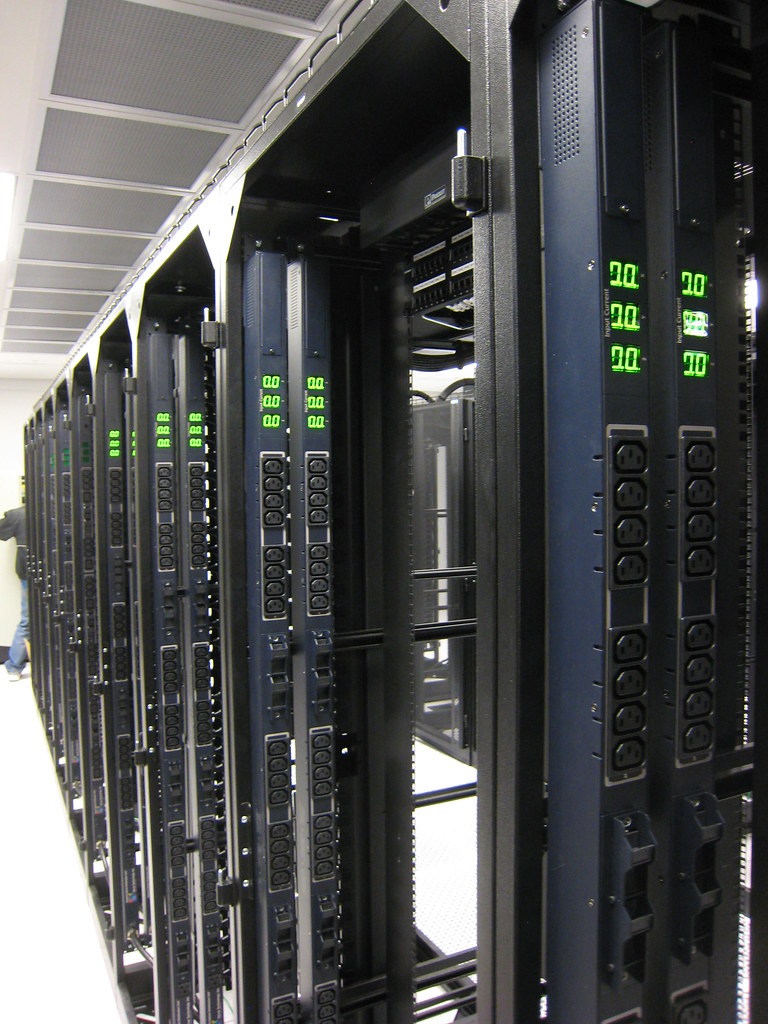
The landscape of enterprise infrastructure is shifting dramatically in 2026. As computational demands explode alongside the proliferation of AI workloads, the traditional reliance on energy-intensive air conditioning is becoming unsustainable. In response, engineers and facility managers are turning back to nature with a modern twist. Passive cooling is no longer just a niche concept for green builds; it is becoming a standard requirement for new data center deployments across the globe.
The Rise of Passive Cooling in Modern Infrastructure
Gone are the days when “natural cooling” meant simply opening windows in a server room—a practice that would be disastrous for humidity and dust control. Today, passive cooling refers to sophisticated architectural and engineering designs that leverage ambient temperature differences to manage heat without mechanical chillers or compressors. This approach is critical as we navigate the energy constraints of the mid-2020s.
In 2026, the focus is on removing the unnecessary movement of air. By utilizing earth tubes, phase-change materials, and advanced free-air cooling systems, data centers can drastically reduce their Power Usage Effectiveness (PUE) ratios. This shift is driven by two primary factors: soaring electricity prices and stringent global carbon regulations. For businesses, adopting passive cooling isn’t just an environmental statement; it is a significant line-item saver on operational expenditure.
How Passive Systems Work Today
Modern passive cooling strategies often involve indirect evaporative cooling or dry air-side economizers. In a dry air-side economizer, for instance, outside air is mechanically filtered but not mechanically cooled before being fed into the server hall. If the outdoor temperature and humidity are suitable, this air can absorb heat from the servers and be exhausted back outside, eliminating the need for the hydronic chiller plant to run.
Another emerging trend in 2026 is the use of thermal energy storage combined with passive architecture. Some facilities are built with massive thermal mass—such as concrete or water-filled structures—that absorb heat during the day and release it at night. This buffers the internal temperature against daily fluctuations, providing a stable environment for sensitive hardware without constant mechanical intervention.
Hardware Adaptations for Passive Environments
The shift toward passive infrastructure is forcing hardware manufacturers to rethink server design. Traditional servers were built to tolerate a certain level of internal heat, relying on powerful fans to push air through dense components. In a passive environment, where airflow might be slower or more consistent, hardware needs to be more efficient at dissipating heat naturally.
We are seeing a surge in servers designed with larger heatsinks and open-frame architectures. These designs maximize surface area exposure to the ambient air, allowing for better heat exchange without high-velocity fans. Additionally, the modularization of hardware allows for easier maintenance and airflow management, ensuring that hot spots do not develop in rack configurations.
Benefits Beyond Energy Savings
While the reduction in energy consumption is the most obvious benefit, there are other advantages to implementing passive cooling systems:
- Reduced Complexity: Fewer mechanical components mean fewer points of failure. With no chillers, pumps, or complex refrigerant lines, the risk of catastrophic cooling failure decreases significantly.
- Lower Noise Levels: Mechanical cooling systems are notoriously loud, which can be a factor in hybrid data centers located near urban or residential areas. Passive systems operate in near silence.
- Extended Hardware Lifespan: Constant thermal cycling can stress electronic components. Passive systems often provide more stable, consistent temperatures, potentially extending the useful life of servers and storage arrays.
Challenges and Considerations
Implementing passive cooling is not a one-size-fits-all solution. Geographic location plays a huge role. Facilities in consistently hot or humid climates may still require mechanical backup systems. The initial capital expenditure (CAPEX) for passive infrastructure can also be higher due to the need for specialized architectural features, such as underground air tunnels or enhanced insulation.
Furthermore, air quality management is critical. Bringing outside air into a controlled environment requires robust filtration systems to protect sensitive hardware from dust, pollution, and biological contaminants. In 2026, smart filtration systems that adjust based on real-time air quality data are becoming standard in these designs.
FAQ
Is passive cooling suitable for all data centers?
No, passive cooling is most effective in regions with moderate climates or large diurnal temperature swings. In tropical or extremely hot environments, active mechanical cooling is often still required as a primary or hybrid solution.
How much energy can passive cooling save?
Depending on the specific design and location, passive cooling strategies can reduce cooling energy consumption by 50% to 100% compared to traditional chiller-based systems. This directly impacts the overall PUE of the facility.
What is the role of AI in passive cooling management?
In 2026, AI-driven management systems are crucial. They predict weather patterns and workload demands to optimize when to switch between passive and active cooling modes, ensuring that the facility always operates at peak efficiency without compromising server safety.
As we look toward the latter half of the 2020s, the integration of passive cooling into enterprise infrastructure is not just a trend; it is a necessity. By embracing these natural solutions, businesses can build resilient, sustainable, and cost-effective data centers that are ready for the future of computing.
