
By Stella Mambo
Countries around the globe are currently reshaping their economic policies to stimulate sluggish growth that has been adversely affected by high inflation and interest rates. This transformation is taking place amidst shifting geopolitical landscapes, potential trade conflicts between the United States and China, and disruptive internal reforms.
The European Union has unveiled initiatives aimed at deepening and enhancing capital markets, improving the ease of doing business, and securing energy supplies.
In the United Kingdom, the government has initiated Invest 2035, a modern industrial strategy designed to revitalise the economy.
Concurrently, the newly re-elected American President, Donald Trump, has committed to reviving manufacturing in the United States by imposing tariffs on global supply chains.
This period of significant change and volatility necessitates that policymakers adapt rapidly to a new normal, which will influence capital markets worldwide, particularly in Africa.
The continent is experiencing rapid population growth, which demands substantial capital investment in its economies and infrastructure to accommodate rising needs. However, this imperative is complicated by capital flows shifting away from emerging markets in favour of the perceived safety of developed markets, accompanied by a decrease in global cooperation.

At the same time, African nations are emerging from a challenging economic landscape characterised by elevated global interest rates and currency fluctuations, both of which have intensified fiscal burdens and hindered private sector performance.
Furthermore, geopolitical risks on the continent have remained high in recent years, particularly because of the Covid-19 pandemic, subsequent supply chain disruptions, and increasing interest rates in dollar-denominated loan markets.

To navigate these complexities, African countries have embarked on financial market reforms that have facilitated a swift rebound for many markets. As global financial conditions begin to tighten, these reforms bolster investments in emerging and frontier markets.
Regulators have proactively implemented policy changes that enable nations to access new debt markets while simultaneously enhancing pension systems and broadening portfolios through innovative financial products.
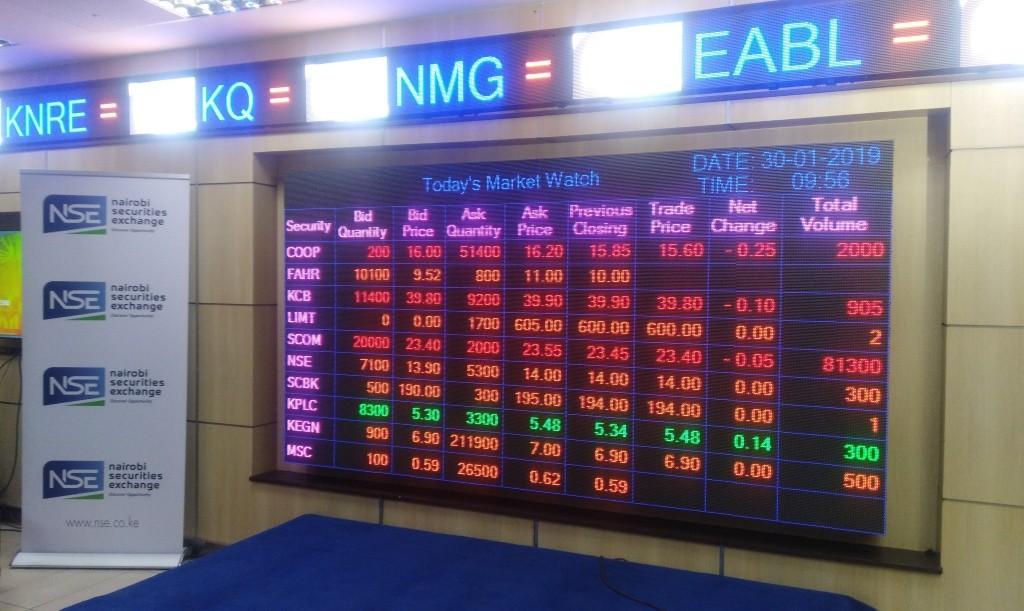
For example, several African nations, including Benin, Ivory Coast, and Kenya, have successfully re-entered the Eurobond market.
Others have increased bilateral lending by exploring new financing avenues, such as Islamic financing options like Sukuk and Panda bonds.
Additionally, these markets have gained access to multilateral funding through programmes offered by institutions such as the World Bank and the International Monetary Fund.(IMF)

These initiatives catalyse reforms that promote a transition towards market-based capital structures, relaxed regulations concerning foreign currency, and improvements in transparency through updated guidelines.
African markets are also increasingly experimenting with a range of innovative funding solutions that are secured like Repurchase Agreements (REPOs), Total Return Swaps (TRS securities lending and borrowing, asset-backed securities, and derivatives.
These offerings will prove attractive to investors from advanced markets who have been trading these products for a long time.
There is also a concentrated effort to enhance participation among local investors to recover capital that has been withdrawing from these markets, which has resulted in the undervaluation of many stocks.
In this context, there is a growing consensus regarding the necessity to reduce costs associated with these new financial instruments and to broaden market access across regional borders.

The alternative investments across the asset classes become topical with structured notes or Exchange Trade Fund (ETFs) gaining more coverage linked to Interest rates, Equity, Credit, Inflation and Commodity.
Furthermore, a notable trend toward deregulation is expected in response to these market developments.
In his inaugural foreign policy address at the World Economic Forum, President Trump indicated the United States is entering an era characterised by reduced regulatory constraints and enhanced pro-business policies.

His administration has already initiated efforts to relax regulations surrounding energy production, stating that it is embarking upon the “largest deregulation campaign in history.”
This deregulatory approach is likely to resonate within African financial markets, as regulators seek to become more adaptive, robust, and responsive. Such initiatives may include the delegation of certain regulatory functions to facilitate adjustments in response to evolving investment dynamics.
For instance, regulators in Kenya have expressed intentions to broaden market offerings to include infrastructure funds and to draw insights from international markets, such as India, which has successfully developed money market funds as an alternative distribution model.
For analysts monitoring these developments, there exists an opportunity to evaluate which economies are embracing policy reforms that align them for growth amid current economic challenges, while also positioning them for a more rapid recovery as global market conditions improve.
These changes are likely to enhance the flow and efficiency of capital across markets. Recognition in capital market indices, such as the Absa Africa Financial Markets Index (AFMI), is instrumental in signalling these developments to investors aiming to allocate capital within African economies as domestic financial conditions improve.
 There is cautious optimism as we look at countries such as Kenya that are presenting a good outlook, characterised by reduced inflation, increased economic growth, improved foreign reserves coverage, stable currency and a more optimistic prospect for access to global funding markets.
- The Author is the Director, Global Markets at Absa Bank Kenya PLC