By Nemuel Ondima
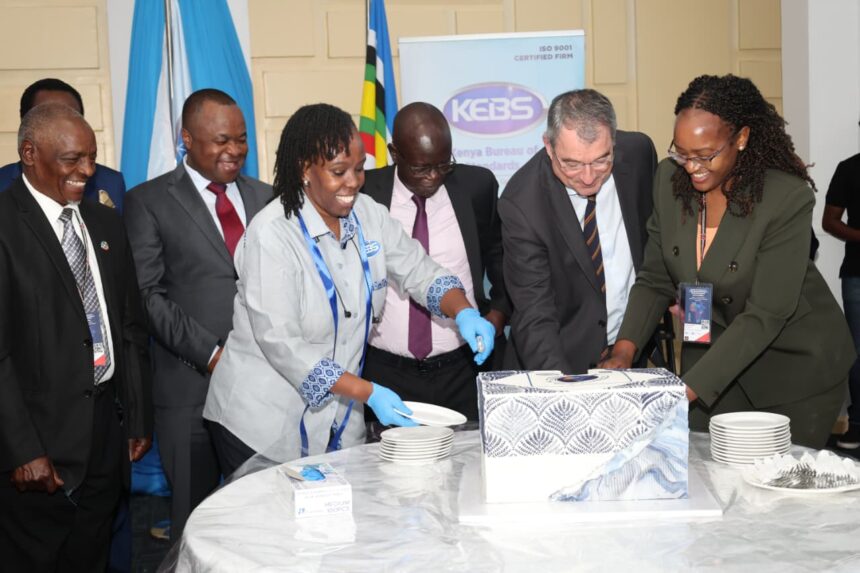
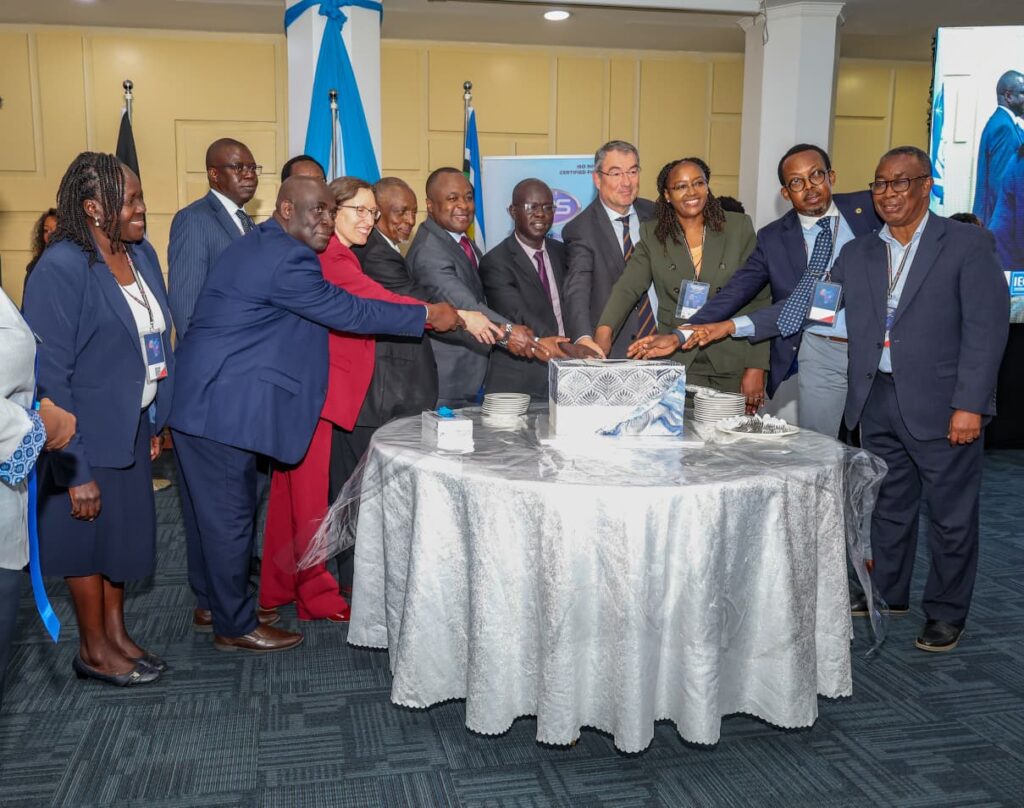
Kenya this week reaffirmed its leadership in standardization and sustainable development as it hosted the International Electrotechnical Commission (IEC)-Africa Conference at the Kenyatta International Convention Centre (KICC).
The high-level meeting, which marked a decade since the establishment of the IEC Africa Regional Centre, convened policymakers, regulators, and industry leaders to reflect on Africa’s growing role in the global standardization ecosystem and the future of sustainable electrification.
Africa’s Voice in Global Standardization
In his address, IEC President Jo Cops urged African nations to transition from being passive participants to active contributors in shaping global standards.
“We started with the motto ‘IEC in Africa’, but now we want ‘Africa in the IEC’,” he said. “To be truly international, the IEC must include Africa’s full participation in standard-setting and conformity assessment.”
Cops emphasized that electrification and renewable energy integration are central to Africa’s economic transformation.
“Electricity is not just infrastructure — it is a human right,” he noted. “Our standards ensure reliability and sustainability, from traditional grids to modern renewable systems.”
Kenya’s Leadership in Standards Harmonization
Esther Ngari, Managing Director of the Kenya Bureau of Standards (KEBS), reaffirmed Kenya’s dedication to aligning local standards with international norms to boost competitiveness in global trade.
“We are intentional about harmonizing our standards with IEC and ISO benchmarks,” she said. “This alignment empowers Kenyan industries to compete effectively in regional and global markets.”
Ngari described the 10th Anniversary of the IEC Africa Regional Centre as both a celebration and a strategic turning point.
“Since 2015, the Centre has served as a bridge connecting African institutions with the global electrotechnical community,” she said. “It has been a catalyst for collaboration and growth.”
She underscored that as Africa advances in clean energy adoption, digital transformation, and industrialization, standards remain the foundation of trust and innovation.
“They ensure safety, reliability, and quality while opening doors to trade and opportunity,” she added.
Driving Public Awareness and Compliance
Ngari also highlighted KEBS’ continued campaigns to raise public awareness on quality compliance.
“Every product must meet Kenyan standards before reaching the market. Consumers can verify authenticity through the Standardization Mark or Import Standardization Mark (ISM),” she said.
A Strategic Hub for Continental Cooperation
Kenya’s hosting of the IEC Africa Regional Centre (IEC-AFRC) in Nairobi was hailed as a strategic advantage that anchors Africa’s voice in international standardization.
“Having the IEC office here positions Kenya at the heart of continental efforts,” Ngari noted. “It ensures that Africa’s priorities are represented as new global standards are developed.”
As the IEC-Africa Conference 2025 concludes, it marks not only a milestone in quality infrastructure and industrial cooperation but also a renewed commitment to ensuring Africa’s active participation in shaping global standards for a sustainable, electrified future.