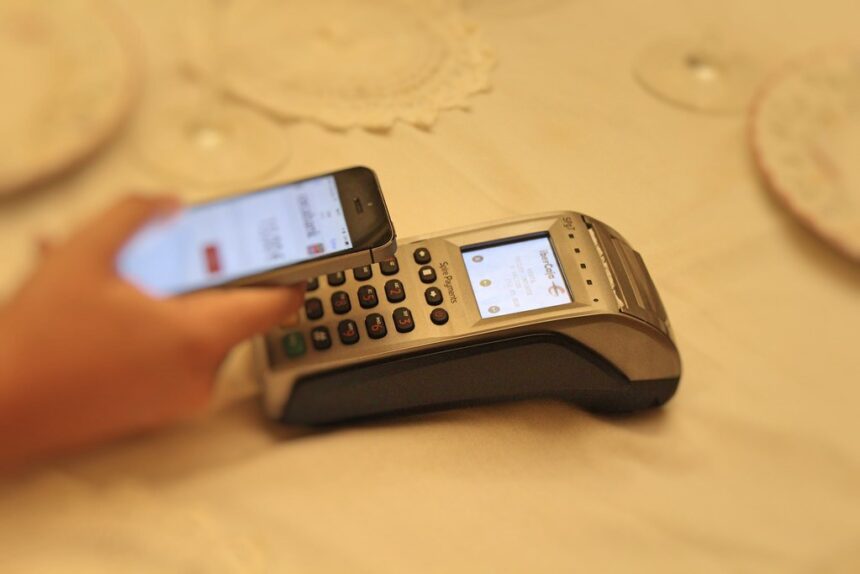
The dream of universal digital finance has hit a persistent reality check: network dead zones. For years, the backbone of financial inclusion in emerging economies relied on stable mobile data connections. However, this model is evolving. In 2026, the most disruptive innovation in the sector isn’t faster 5G or fully immersive VR banking; it is the maturation of **offline mobile money** transactions. This shift is fundamentally altering how millions of users in Africa, Southeast Asia, and beyond access financial services, moving beyond the constraints of cellular coverage.
The End of the “No Signal” Barrier
Historically, a failed transaction meant a lost sale. For smallholder farmers in rural Kenya or street vendors in Lagos, a momentary drop in signal could mean the difference between running a business and going home empty-handed. Traditional mobile money platforms like M-Pesa and Airtel Money required real-time synchronization with a central server to validate balances and process transfers. While secure, this dependency created a single point of failure: the network.
Today, we are witnessing the widespread adoption of asynchronous transaction protocols. These systems allow two devices to communicate directly via Bluetooth Low Energy (BLE) or Near Field Communication (NFC) without an immediate internet connection. The transaction is recorded locally on both devices, creating a cryptographically signed “debt ledger” that waits for just one device to reconnect to the internet to synchronize and settle the debt. This technology turns every smartphone into a de facto point-of-sale terminal, independent of carrier infrastructure.
How Offline Mobile Money Works in Practice
The process is increasingly seamless for the end-user. Here is the typical flow for a consumer in 2026:
- Device-to-Device Connection: A vendor holds their smartphone near the customer’s device. Using BLE or NFC, the devices establish a secure, encrypted handshake.
- Local Ledger Update: The amount is debited from the sender’s local balance and credited to the recipient’s local balance within the app. No server is contacted at this stage.
- Digital Receipt: Both parties receive an on-screen confirmation. The transaction is now “pending” but valid within the trusted mesh network.
- Asynchronous Settlement: At any point later—perhaps hours or days later—when either device regains connectivity, the app uploads the transaction log to the central bank or telecom infrastructure for final reconciliation.
Security Concerns in a Disconnected World
Skeptics rightly point out that offline systems introduce complex security challenges. Without real-time server validation, how do you prevent double-spending or fraud? The answer lies in granular risk management and hardware-backed security. Modern implementations limit offline transaction volumes to small daily caps, reducing the potential loss from fraud. Furthermore, these transactions are secured by device-level biometrics and secure enclaves, ensuring that the private keys signing the local ledger entries cannot be extracted or duplicated.
Regulators have been quick to adapt. In several jurisdictions, central banks now treat these asynchronous ledgers as provisional liabilities rather than final settlements, requiring quick settlement windows to maintain liquidity controls. This regulatory clarity has encouraged telecom providers to invest heavily in the necessary backend infrastructure to handle the burst of synchronization requests when users re-enter coverage zones.
The Implications for Financial Inclusion
The impact on the informal economy has been profound. By removing the connectivity barrier, **offline mobile money** has unlocked commerce in areas previously deemed unviable for digital finance. It has also reduced the transaction costs associated with failed attempts and retry fees. For tech developers, this represents a shift from building cloud-dependent apps to creating resilient, edge-computing financial tools. The focus is no longer just on user interface design, but on robust local data integrity and synchronization algorithms.
Frequently Asked Questions
Is offline mobile money safe from theft?
While no system is entirely risk-free, offline mobile money uses end-to-end encryption and biometric authentication. The transaction is only valid if the physical devices are in close proximity and the user authenticates the action. Additionally, low daily transaction limits minimize potential losses.
Do I need a special smartphone to use it?
Most modern smartphones, including entry-level models prevalent in emerging markets, support Bluetooth Low Energy or NFC. However, older feature phones without these capabilities may require additional hardware dongles or may be phased out of newer offline protocols.
Will this replace traditional banking?
Not entirely. Traditional banking offers higher limits, credit facilities, and interest-bearing accounts. Offline mobile money complements banking by handling high-volume, low-value transactions in real-time, regardless of location, thereby increasing the frequency and utility of digital payments.