Thailand is strengthening its position as a global hub for medical tourism, as growing demand for affordable, high-quality healthcare converges with a rising interest in holistic wellness experiences.
While the Southeast Asian nation has long attracted international patients seeking specialised treatment, industry players say the sector is undergoing a notable transformation. Travellers are increasingly looking beyond clinical procedures, opting for destinations that offer comprehensive recovery programmes focused on physical, mental and emotional wellbeing.
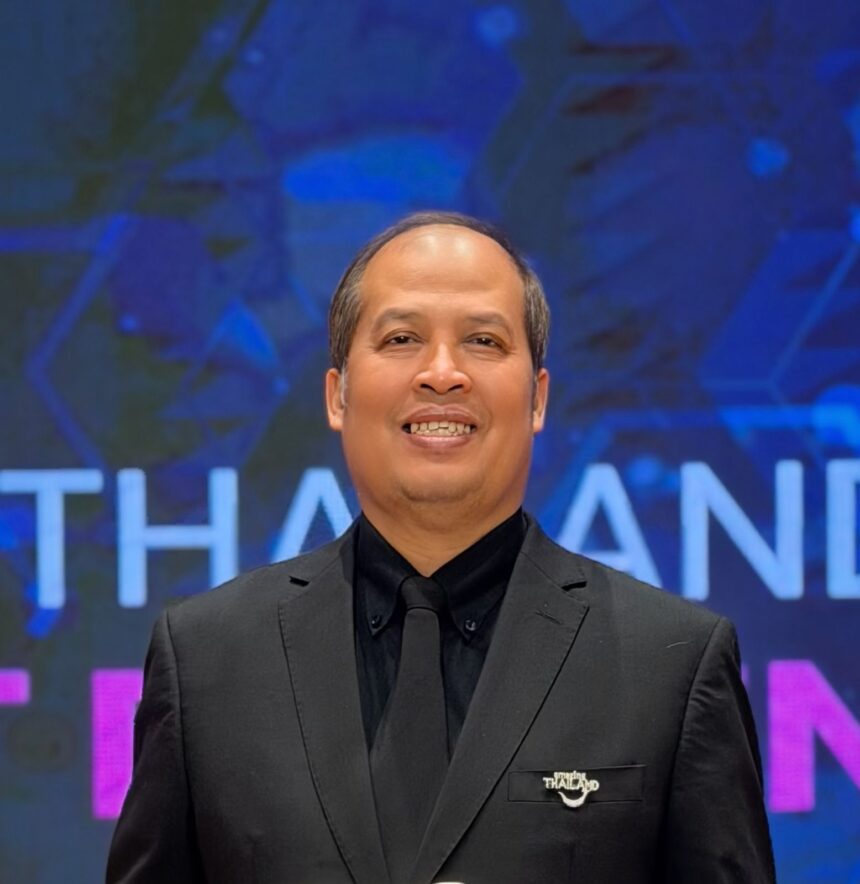
Ahman Mad-Adam, Director of the Tourism Authority of Thailand Dubai Office, says this shift reflects changing expectations among modern medical travellers.
“Patients are no longer just travelling for treatment. They are seeking environments that support their full recovery journey, both physically and mentally,” he said, noting that conventional hospital-based recuperation is being replaced by more personalised and restorative experiences.
Thailand currently receives over 2.5 million medical tourists annually, supported by a strong network of internationally accredited hospitals and highly trained healthcare professionals. The country’s reputation for delivering positive medical outcomes at competitive costs continues to be a major draw.
In Bangkok, the country’s primary medical hub, leading facilities such as Bumrungrad International Hospital and Samitivej Hospital anchor a robust healthcare ecosystem that caters to international patients.
Complementing this clinical excellence is a growing number of wellness centres offering tailored recovery programmes. The RAKxa Integrative Wellness Centre is among the facilities pioneering this integrated approach, combining modern medical science with traditional Thai healing practices to deliver personalised care plans.
These programmes often include supervised physical rehabilitation, nutrition planning and mental wellness support, designed to help patients recover at a pace suited to their individual needs. The approach is particularly beneficial for those managing post-treatment limitations or seeking to restore overall balance after medical procedures.
Beyond recovery, Thailand’s wellness sector is also attracting travellers pursuing preventive health goals, including stress management, detoxification, improved sleep and enhanced immunity.
Other destinations such as Chiang Mai, Phuket and Koh Samui are gaining prominence as wellness hotspots, offering tranquil natural settings alongside specialised care facilities.
Mad-Adam added that Thailand’s medical tourism strategy is closely linked to its broader sustainability agenda, with efforts focused on creating environments that promote long-term wellbeing while maintaining responsible tourism practices.
As global healthcare preferences continue to evolve, Thailand’s integrated model of treatment and wellness is positioning the country at the forefront of a rapidly expanding medical tourism landscape.